"It smells like hell to some, and tastes like heaven to others. Why are Singaporeans obsessed with it? How do you choose a good one? And what IS Mao Shan Wang?"
Durian At a Glance
- Main season: June-August (best prices). Minor season: Nov-Feb (limited supply)
- Mao Shan Wang (MSW) is the premium choice—golden flesh with sweet-bitter profile
- D24 is perfect for beginners—creamy, sweet, and half the price of MSW
- Use the shake test: ripe durian makes a soft thud, not a rattle
- Pair with mangosteen to balance the heatiness
Durian Varieties Compared
| Variety | Price/kg | Flesh Colour | Taste Profile | Bitterness | Beginner Friendly |
|---|---|---|---|---|---|
| Mao Shan Wang (MSW) | $18-25 | Golden yellow | Sweet with bitter finish | High | |
| D24 (Sultan) | $10-15 | Pale yellow/white | Sweet, creamy | Low | |
| Red Prawn (Ang Hei) | $15-20 | Reddish-orange | Intense sweet, caramel | Very Low | |
| Black Thorn | $20-30 | Orange-yellow | Sweet with floral notes | Medium | |
| XO Durian | $15-22 | Varies | Alcoholic, fermented | High | |
| D101 | $8-12 | Light yellow | Mild, sweet | Very Low |
Prices are approximate and vary by season. 'Beginner Friendly' indicates milder taste profiles suitable for first-timers.
Why Durian Commands Such Devotion
To understand Singapore's obsession with durian, you must first understand that this isn't just a fruit—it's a cultural institution. Every year, during the June-August and November-February durian seasons, Singaporeans plan their schedules around durian runs. Families pile into cars at midnight to drive to Geylang, where neon-lit stalls stay open until 3am. Office colleagues pool money for durian feasts. WhatsApp groups buzz with tip-offs about which stall has the best Mao Shan Wang today.
"To eat durian is to know Singapore. It is the taste of midnight adventures, family arguments over the last seed, and the sweet surrender to something utterly unique."
The durian's polarising nature—loved intensely by devotees, reviled equally by detractors—only adds to its mystique. Banned from hotels, MRT trains, and aeroplanes due to its powerful aroma, it becomes forbidden fruit in the most literal sense.
Yet for those who love it, that smell is intoxicating: a complex bouquet that dedicated eaters describe as sweet, custardy, and almost wine-like. First-timers often need several attempts before the flavour clicks—and when it does, they're hooked for life.
Mao Shan Wang: The King of Kings
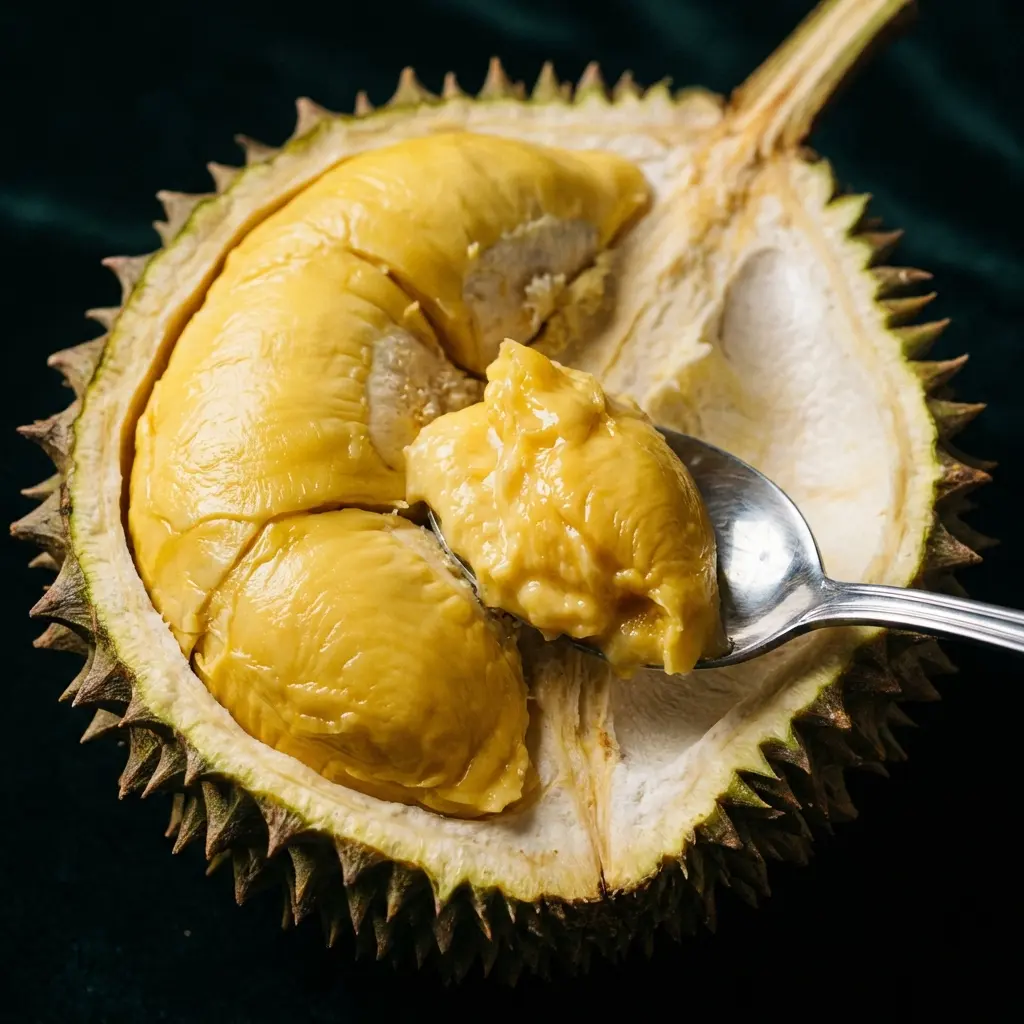
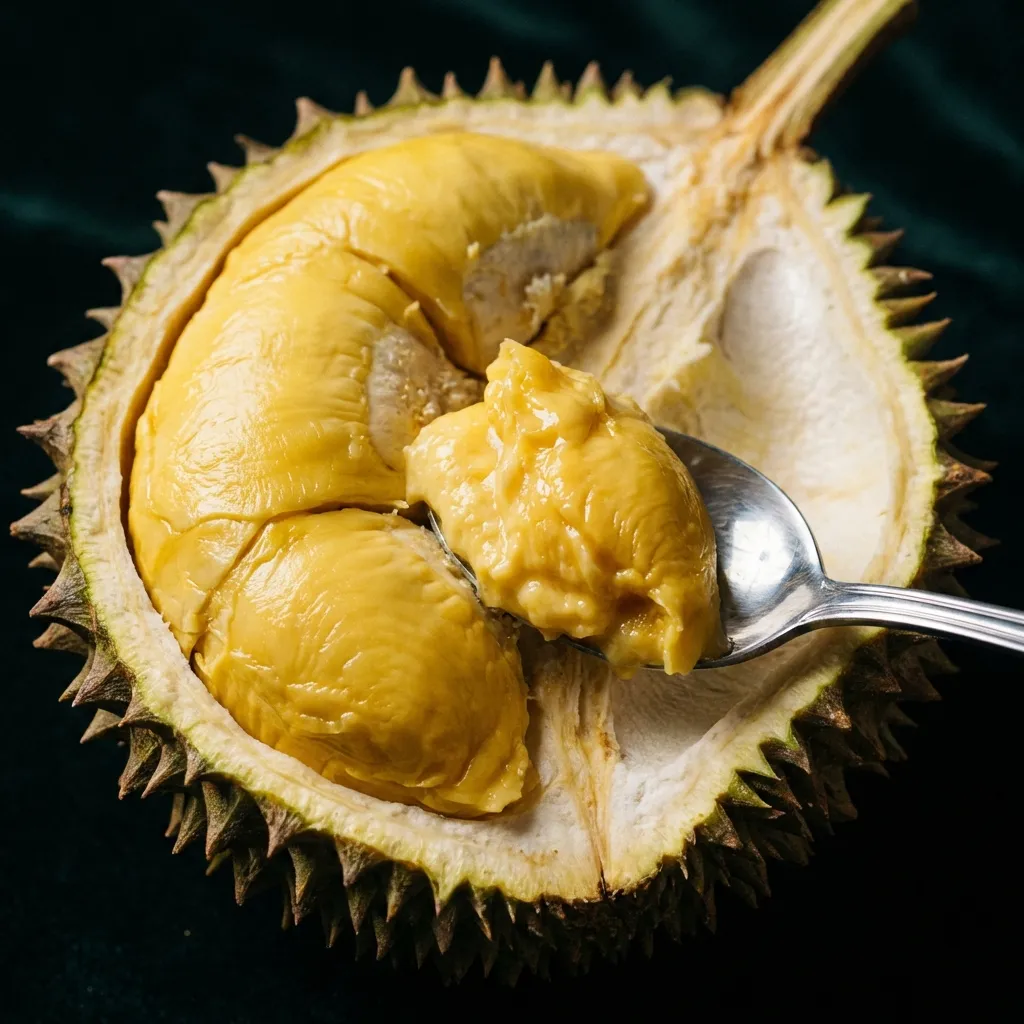
Mao Shan Wang, also known as Musang King or D197, is the undisputed gold standard of durians and commands premium prices for excellent reason. Its flesh is a striking golden yellow, creamy yet slightly fibrous, with a flavour profile that balances intense sweetness against a sophisticated bitter undertone.
That bitterness lingers on the palate almost like dark chocolate, while the sweetness arrives first and fades gently. The seeds are notably small, maximising the precious flesh-to-seed ratio that serious eaters care deeply about.
"MSW isn't just eaten—it's experienced. That first bite, when the bitter and sweet dance on your tongue, is the moment you understand what all the fuss is about."
Expect to pay $18-25 per kilogram during peak season, and significantly more for prized 'old tree' specimens from mature durian trees known to produce fruit with more concentrated flavours. The name translates to 'Musang King' in Mandarin, referring to the civet cat that supposedly loves this cultivar above all others.
D24, Red Prawn, and Other Worthy Cultivars
Before Mao Shan Wang claimed the throne, D24 (also called Sultan) was the premium choice for discerning durian lovers. The flesh is pale yellow to almost white, exceptionally creamy and smooth, with a gentler and predominantly sweet flavour. There's subtle bitterness, but nothing as pronounced as MSW, making D24 ideal for beginners. At $10-15 per kilogram, it offers outstanding value.
Red Prawn (Ang Hei or Hong Xia) is named for its distinctive reddish-orange flesh and delivers intense sweetness with a sticky, almost caramel-like texture. It's sweeter than MSW with minimal bitterness, and is particularly beloved in Penang where the best specimens originate.
Black Thorn (Duri Hitam or Ochee) is the rising star challenging MSW's dominance. Named for the dark colouration at the tips of its spines, it offers flesh that's orange-yellow, extremely creamy, and intensely sweet with complex floral notes.
"If MSW is the reliable blockbuster, Black Thorn is the indie darling—complex, surprising, and increasingly impossible to ignore."
XO durians aren't a distinct cultivar but rather durians allowed to ferment longer, resulting in intensely alcoholic flavours that some describe as durian soaked in whisky. Strictly for hardcore enthusiasts who find regular durians too mild.
The Shake Test and Other Selection Secrets
Professional durian sellers spend years developing their selection skills, but you can learn the fundamentals quickly.
The shake test is fundamental: hold the durian by its stem and give it a gentle shake near your ear. A ripe durian's flesh will have shrunk slightly away from the shell, producing a subtle thud as it shifts. If the sound is a sharp rattle, the flesh is still hard and underripe. If there's no sound at all, the flesh has likely become mushy and overripe.
The smell test is equally important: run your nose along the seams where the husk naturally splits. A perfectly ripe durian emits a fragrant, sweet aroma that's detectable but not overwhelming. No smell indicates an underripe fruit, while an intense gaseous smell with alcohol notes suggests overripeness.
Check the stem too—a green, slightly moist stem indicates the durian was harvested recently within a day or two, while a dry, brown stem suggests it's been sitting around for several days.
Traditional Rituals and Time-Tested Wisdom
Durian eating comes with its own set of rituals, some rooted in Traditional Chinese Medicine, others in generations of accumulated wisdom.
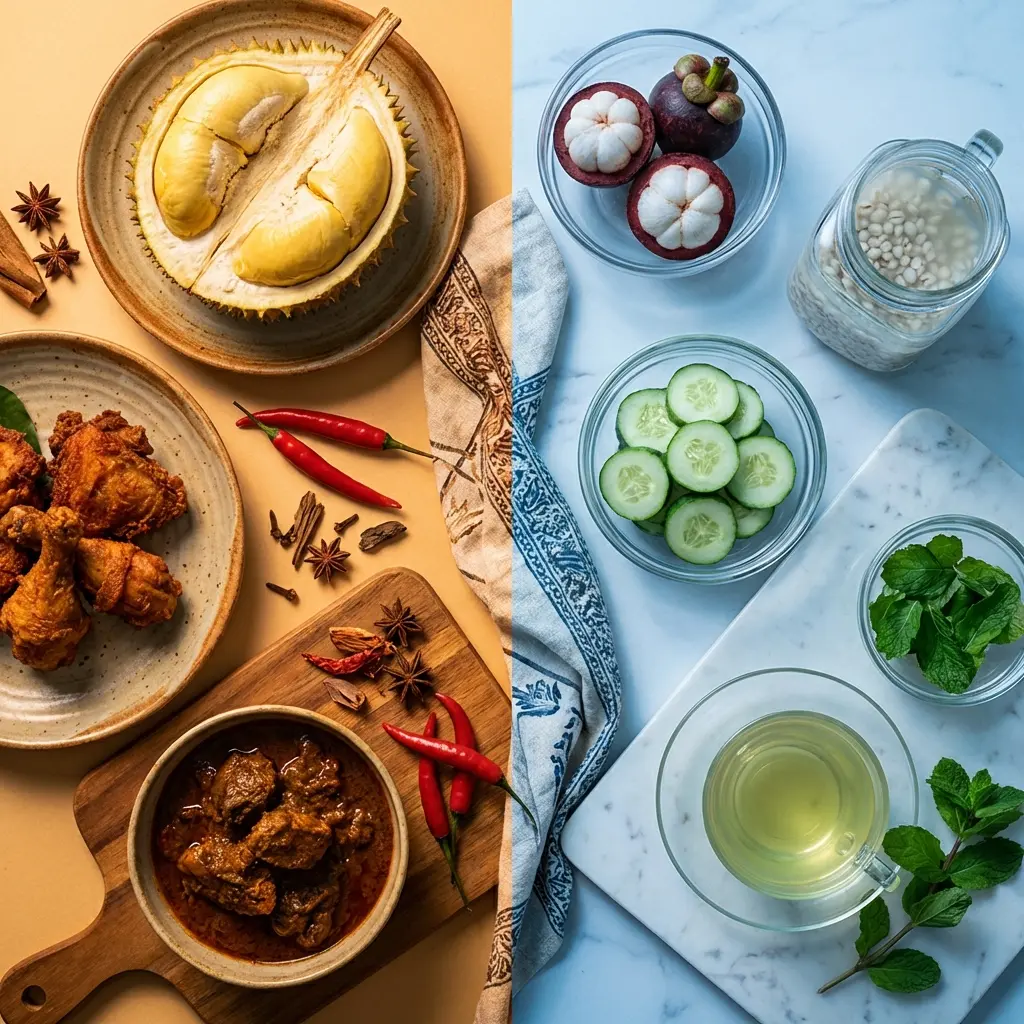
The mangosteen is called the Queen of Fruits because it's considered the perfect counterbalance to durian. In TCM terms, durian is extremely heaty (yang), capable of raising body temperature and causing symptoms like sore throat or acne if consumed in excess. Mangosteen is intensely cooling (yin), theoretically neutralising durian's heat. The pairing is also delicious—mangosteen's clean, sweet-tart flavour cleanses the palate beautifully.
"The old folks say: durian to heat you up, mangosteen to cool you down, and barley water to keep the peace."
There's also the saltwater ritual: pour water into the empty durian husk, add a pinch of salt, and drink it to prevent heatiness. For the lingering smell on your hands, wash them with water poured through the empty husk while rubbing the inner membrane against your skin—it neutralises the smell remarkably well.
One important warning: avoid drinking alcohol within several hours of eating durian. There's evidence that durian may inhibit an enzyme that helps metabolise alcohol, potentially intensifying intoxication.
Where to Find the Best Durians
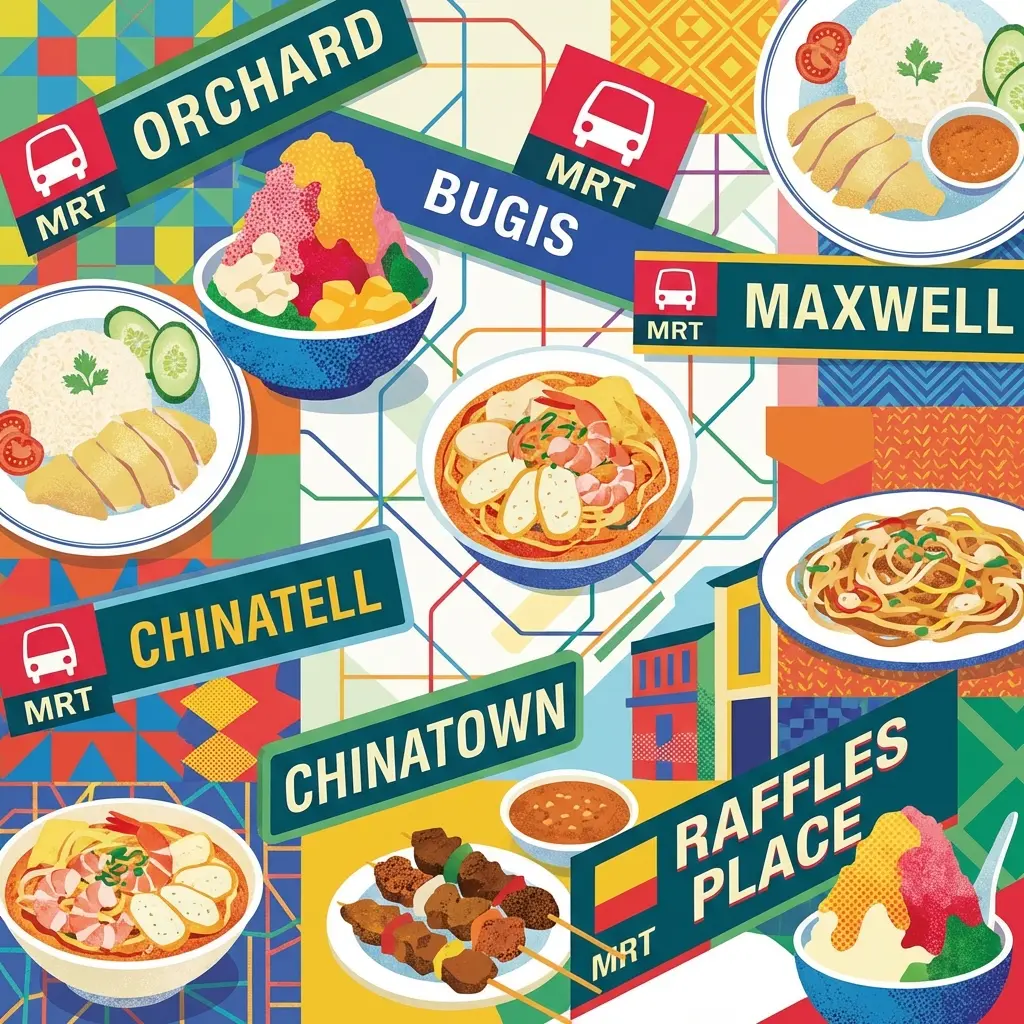
Geylang is the spiritual home of durian in Singapore. Geylang Road and its surrounding lorongs transform into durian paradise during peak season, with stalls lining the streets from late afternoon until early morning. The atmosphere is electric: families gathered around plastic tables, the thwack of parangs opening husks, the air thick with that unmistakable aroma.
"A Geylang durian run at midnight is a rite of passage. The neon lights, the shouting uncles, the impossible choices—it's Singapore at its most deliciously chaotic."
Key stalls include Ah Seng Durian (known for consistency), Combat Durian (competitive pricing), and Leong Tee (old-school expertise).
Balestier Road is more accessible and equally historic, with durian stalls that tend to be slightly more established, sometimes offering air-conditioned eating areas. Good options include 717 Trading and Durian Culture—the vibe is less frenetic than Geylang, better for families with young children.
Don't overlook your neighbourhood wet market; many have durian stalls during season with lower prices and decades of experience. Supermarkets stock pre-packed durian flesh for convenience, though quality can be inconsistent.
Storing, Serving, and Creative Uses
Durian is best eaten fresh, within hours of opening. Once exposed to air, the flesh begins oxidising, losing its gloss and developing off-flavours. If a seller opens your durian, plan to eat it within 2-3 hours.
For unopened durians, refrigeration works for 2-3 days, slowing but not stopping the ripening process. Wrap the fruit in newspaper to contain the smell. Opened durian flesh in an airtight container can last 2-3 days refrigerated, though quality degrades daily.
For longer storage, freezing works wonderfully. Remove flesh from seeds, place in airtight containers or vacuum-sealed bags, and freeze for up to 2-3 months. The texture changes slightly—more custardy—but the flavour remains excellent. Many people actually prefer frozen durian, enjoying it like gelato.
"Frozen MSW straight from the freezer, eaten with a spoon like ice cream—this is the secret midnight snack of true believers."
Beyond eating fresh, durian appears in countless preparations: durian puffs, durian pengat (warm coconut milk dessert), durian pancakes, durian mochi, durian cheesecake, and even durian pizza at adventurous establishments.
Understanding Durian Seasons and Pricing
Durian season in Singapore isn't a single event but two distinct peaks. The main season runs from June to August, when supply is abundant and prices are most competitive. Peak season typically hits in late June or early July when durians flood the market.
The minor season from November to February produces excellent fruit but in limited quantities, so prices tend to be higher. Many enthusiasts swear that minor season durians have more complex flavours due to different weather conditions during development.
Outside these windows, you can still find durians through frozen supplies, imports from Thailand (different cultivars like Monthong), and occasional Malaysian shipments, though quality varies and prices are premium.
Weather plays a crucial role: a dry spell followed by rain triggers flowering, which precedes fruiting. Heavy rain during harvest can cause fruits to split on the tree, creating windfall bargains—these 'fallen' durians are often sold cheaper.